
Rescheduling Reaches the Judge as DEA Rejects Some Medical Cannabis Registrations
Final briefs are in on broader marijuana rescheduling, while federal registration for medical businesses gets messy.

2026-11-13 · 5 min read
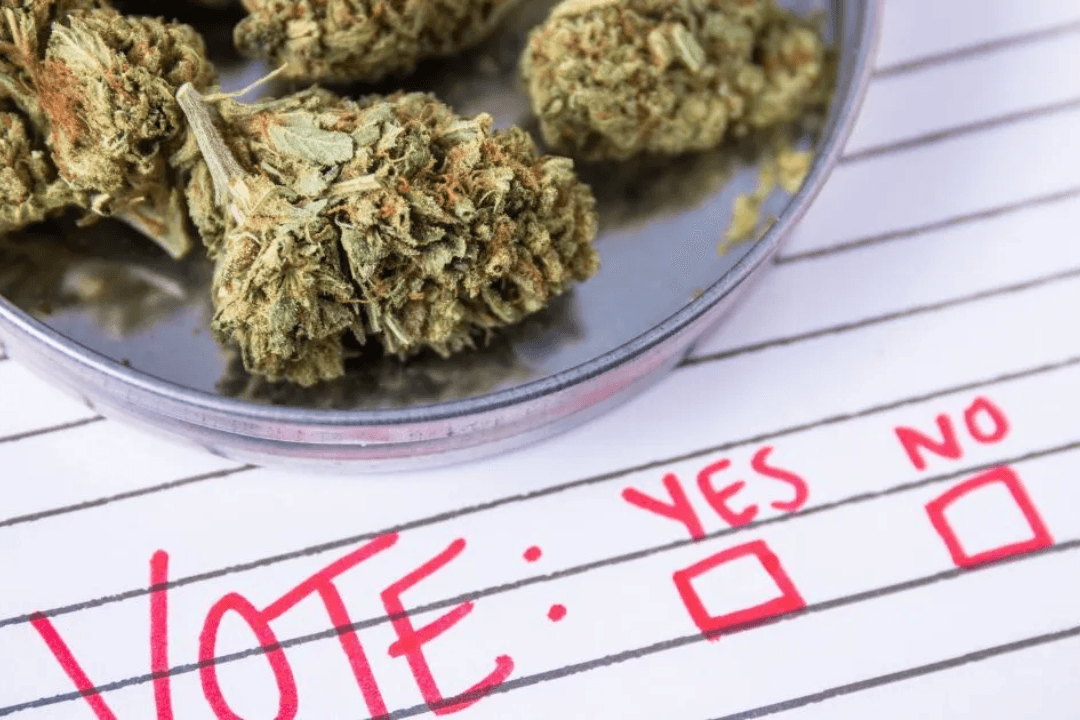
Two separate federal tracks on marijuana rescheduling are moving at once, and they're getting complicated.
Track One: The Broader Rescheduling Hearing
The DEA and opponents of rescheduling have filed their final briefs in the administrative hearing. A DEA administrative law judge will now decide. According to Marijuana Moment, the DEA argues a recent federal watchdog report finding "gaps" in how the government evaluates controlled substances doesn't undermine the administration's proposal. Opponents say those procedural flaws are fatal. The judge earlier declined to reopen the hearing but allowed the report into the record.
Track Two: Medical Cannabis Registrations
Medical marijuana is already being treated under Schedule III through a separate order, and the D.C. Circuit left that order in place on September 9, 2026. Businesses need a DEA registration to operate under it.
- The DEA reportedly approved more than 900 applicants across seven states, with major exceptions.
- Marijuana Moment now reports rejections of applicants in at least six states and Washington, D.C.
- Law firm Vicente LLP reports the DEA has issued orders to show cause. In Minnesota, the agency's stated concerns include a combined medical and adult-use licensing structure, dispensing without written physician certifications, and the sale of hemp-derived products.
- Applicants served with an order have 30 days to request a hearing or be deemed in default. They may offer a corrective action plan.
Minnesota's Office of Cannabis Management said the order doesn't affect state law authorizing its programs. States with combined licensing, such as Washington, may face similar scrutiny, though not every applicant has received an order.
Also Pending
The DEA proposed keeping 2027 Schedule I marijuana production quotas flat and said separate quotas for Schedule III products are in development.
What to Watch
Whether the judge's decision lands before year-end, and whether the DEA's position on combined-license states spreads. Rejection counts are reported by trade press rather than confirmed by the agency.

About Elena Rodriguez
Senior Editor
Elena is a veteran cannabis journalist with over a decade of experience covering policy reform and industry trends. She previously wrote for High Times and Leafly.
Related Articles
Federal Hemp-THC Ban: What Changed on Nov. 12 and What Hits on Dec. 11
Congress delayed most of the new federal hemp restrictions to December 11, 2026, but the delay doesn't cover everything. Here's what the new definition of hemp actually does.
Delaware's Cannabis Zoning Dilemma: Progress or Political Theater?
After the governor vetoed legislation to override local zoning restrictions, Sussex County has amended its rules for cannabis businesses-but the changes may be too limited to make a real difference.

The End of an Era: Federal Hemp THC Ban Reshapes the Industry
The U.S. Senate has passed legislation that will effectively ban most hemp-derived THC products by late 2026, marking a dramatic shift for an industry that employs hundreds of thousands.